Carbon Sequestration: Why We Choose Regeneration Over Sustainability
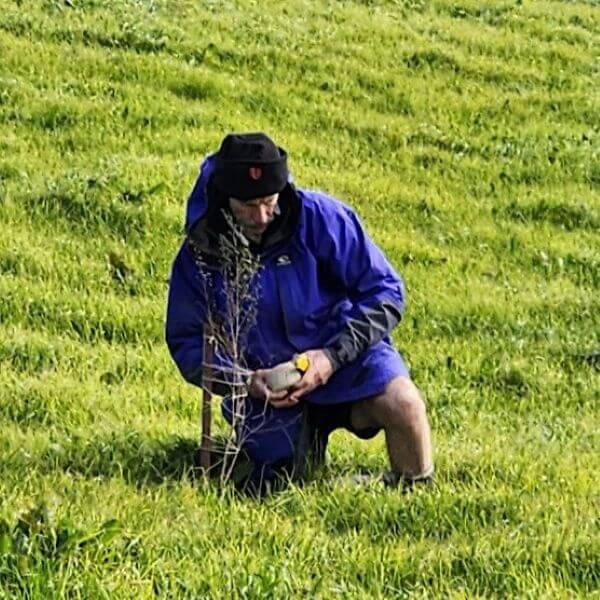
This whole blog post began in a very ordinary way: we were out planting trees in our new shelter belt, chatting as we worked, when it suddenly hit us. Without even trying, we were actively contributing to carbon sequestration.
Table of Contents
No grand plan, no carbon-credit strategy, no sustainability marketing spin. Just doing what felt right for the land… and realising others might appreciate hearing about it.
So here it is. If people are interested in what we’re doing and why this is our story.
At Self-Inking Stamps, we don’t chase carbon-neutral certifications or spend time virtue-signalling about theoretical emissions targets. But we do believe in doing the right thing and many of those choices naturally reduce our carbon footprint.
“Sustainability” has become a powerful buzzword, and while the intention behind it is admirable, sustainability often means maintaining what already exists. But maintaining the status quo won’t repair the damage already done. Regeneration, on the other hand, actively improves ecosystems, rebuilds soil, restores biodiversity, and creates the conditions for long-term resilience.
This is the story of how our small business contributes to genuine carbon sequestration, regenerative land care, and a healthier environment.
Our View on Carbon, Climate, and the ETS
There’s no question that human activity has disrupted the planet’s natural carbon cycle. The idea behind the Emissions Trading Scheme (ETS) reducing emissions and encouraging carbon sequestration is admirable. But like many well-intentioned systems, it has been distorted by monetisation, trading, and middle-man profiteering.
Large-scale monoculture pine forests, planted purely for carbon credits, are often promoted as a climate solution. Yet these forests are harvested, the carbon is exported, and the soil is left depleted. Meanwhile, natural short-term carbon cycles such as livestock emissions are unfairly targeted, despite being part of a long-established ecological process.
The result? The ETS rewards the wrong behaviours and ignores the enormous potential of small-scale, regenerative land management.
Sustainability vs Regeneration: Why the Difference Matters
Sustainability aims to keep things as they are. But “as they are” is not good enough.
- Sustainable systems slow decline.
- Regenerative systems reverse it.
Regeneration rebuilds soil, restores water cycles, increases biodiversity, and improves land productivity. It doesn’t just reduce harm it creates net positive outcomes.
Across New Zealand, countless small farms and lifestyle blocks are already doing this work: planting shelter belts, restoring soil biology, and integrating trees into grazing systems. These efforts rarely qualify for carbon credits, but they make a real difference.
Why Shelter Belts Matter More Than Pine Tree Plantations
Here at Baylys Beach, strong coastal winds limit horticultural and pastoral productivity. Yet shelter planting one of the most effective, long-term carbon sinks is rarely incentivised.
Shelter belts:
- Capture carbon and store it in the soil
- Protect land from wind erosion
- Improve pasture growth and animal welfare
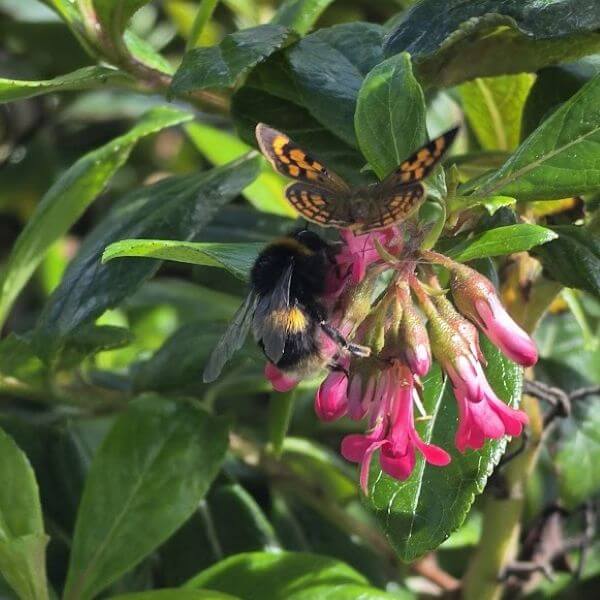
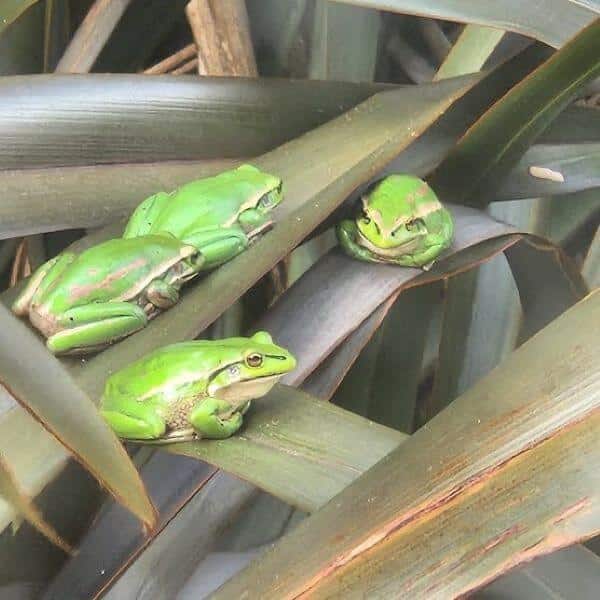
- Support biodiversity
- Provide long-term, non-harvested carbon storage
Unlike pine plantations, these trees aren’t grown to be cut down. They’re grown to protect the land. That’s not just sustainable it’s regenerative.
The Most Effective Carbon Sink Isn’t a Forest It’s a Savannah
While forests store carbon in wood, savannah-style systems store enormous amounts in the soil. These semi-wooded grazing landscapes combine:
- Deep-rooted trees feeding carbon into the soil
- Pasture grazed by ruminants, stimulating carbon cycling
- Rapid topsoil growth (downwards, not upwards)
- Increased humus and soil organic matter
Contrary to the old belief that it takes 1,000 years to build an inch of topsoil, regenerative systems can build soil far faster sometimes in just a few years.
New Zealand’s pastoral farming, when paired with silvopasture and shelter planting, could become one of the world’s most effective carbon sinks.
Our Own Contribution: A 13-Hectare Regenerative Farmlet
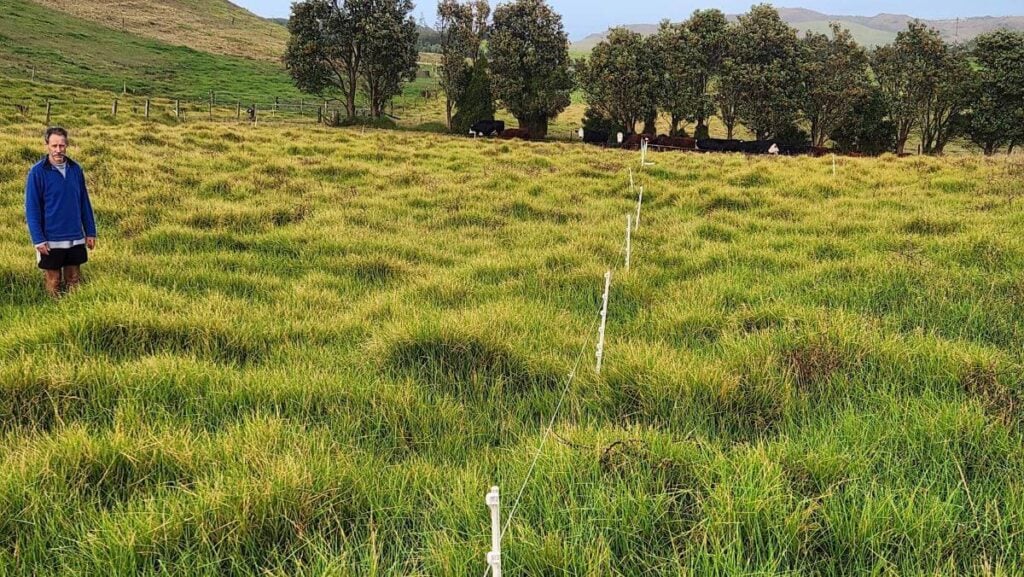
When we purchased our 13-hectare block, carbon sequestration wasn’t the goal but it has become a powerful side benefit of how we manage the land.
What we’ve planted so far
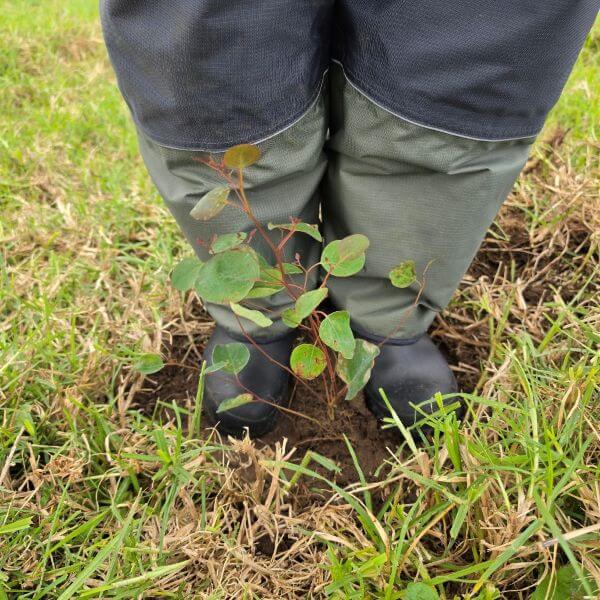
- 150+ native seedlings transplanted last winter
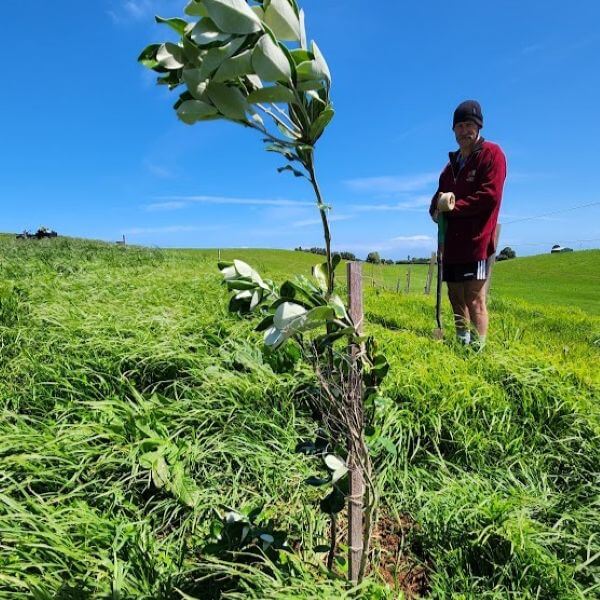
- 110 eucalyptus trees planted this winter
- Another 60 eucalyptus going in shortly
Why eucalyptus? Because they coppice (regrow after cutting), provide durable timber without toxic treatments, offer bee forage, and supply mulch all while forming a strong upper canopy for wind protection.
Interplanted among them will be:
- Nitrogen-fixing species
- Fruit and nut trees
- Native species for bird habitat
- Multi-species plantings to support soil biology
Instead of planting a single block of trees that removes land from food production, we’re planting along contours and shelter lines protecting the land while keeping it productive.
This isn’t sustainability. This is regeneration in action.
Sustainable Practices in Our Business and Regenerative Practices on Our Land
Our environmental efforts don’t stop at the farm gate.
At Self-Inking Stamps, we:
- Walk to work
- Shred cardboard packaging for worm farms and compost
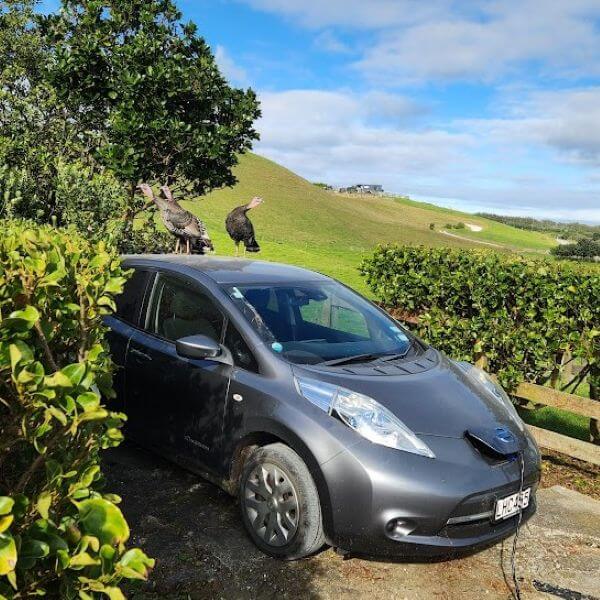
- Use an electric vehicle
- Farm regeneratively without chemical fertilisers or pesticides
- Build soil carbon through biological soil management
Sustainability reduces harm. Regeneration creates improvement. We’re committed to the latter.
What’s Next on Our Regenerative Journey
When finances allow, we plan to:
- Install solar power to run our stamp-making and engraving equipment
- Transition all vehicles to electric, powered by on-farm solar
- Continue expanding our regenerative planting systems
It may sound ambitious, but the economics are shifting and we’re committed to moving in the right direction.
Final Thoughts About Carbon Sequestration
We’re not perfect, and we’re not chasing environmental awards. But we believe in practical, meaningful action not box-ticking.
Carbon sequestration isn’t just about forests or credits. It’s about soil, biodiversity, and thoughtful land management. Sustainability maintains what exists. Regeneration restores what’s been lost and builds what’s possible.
And here at Self-Inking Stamps, we’re proud to play our small part.
Our Happy Customers have a lot to say about our products and services!
Have questions? Contact our team.
Contact us with your questions and stay up to date with our latest news and promotions on Facebook, LinkedIn, X (Twitter), Google and Instagram.Laser Engraved Signage: The Ultimate Guide for Business Owners