
Stencil Laser Engraving and Cutting: A Practical Guide
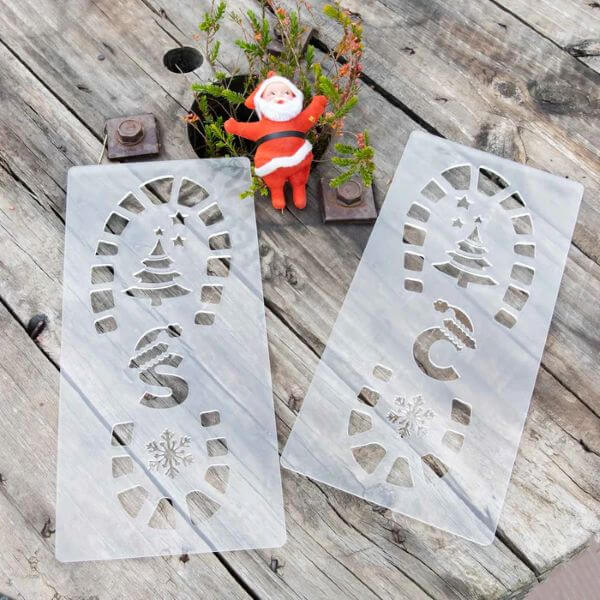
Stencil laser engraving and cutting puts industrial-level precision into the hands of makers, designers and small businesses. Whether you’re producing reusable paint stencils, airbrush templates, signage masks or intricate craft pieces, lasers deliver crisp edges, repeatability and fast turnaround — all with minimal manual finishing.
What it is and how it works
Laser stencil making uses a focused laser beam to either engrave or cut your chosen material. Engraving removes surface material to produce shallow reliefs or registration marks; cutting severs the material to create the final stencil shape. Most workshops use CO₂ or fibre lasers depending on the material: CO₂ lasers are common for plastics, paper and natural materials; fibre lasers are used for metals. The process is digital, so the same vector file can be reproduced precisely every time.
Best materials for stencils
Choose your material based on the intended use:
- Polyester (Mylar/PET) — the most popular choice: flexible, durable and solvent-resistant, great for reusable stencils.
- Vinyl — ideal for single-use or adhesive stencils for walls and signs.
- Card and paper — cheap and quick for one-off templates or testing.
- Thin acrylic sheets — for rigid stencils where durability and clean edges matter.
- Metal foils (aluminium) — for industrial or high-temperature applications where longevity is critical.
Ask us about our Trotec Speedy 360 Laser Engraving & Cutting Machine
Larger bed area – 800 x 500 mm cutting area is now available. Taller items can be engraved from 180 to 280 mm in height depending on the lens appropriate for your engraving. This machine is extremely fast moving at 3.55 metres per second when engraving at top speed.
Message our Laser Engraver Trent Wadham
Design tips for successful stencils
Good design is half the job. Keep these points in mind:
- Use vector artwork (SVG, EPS, PDF) for clean, scalable cuts.
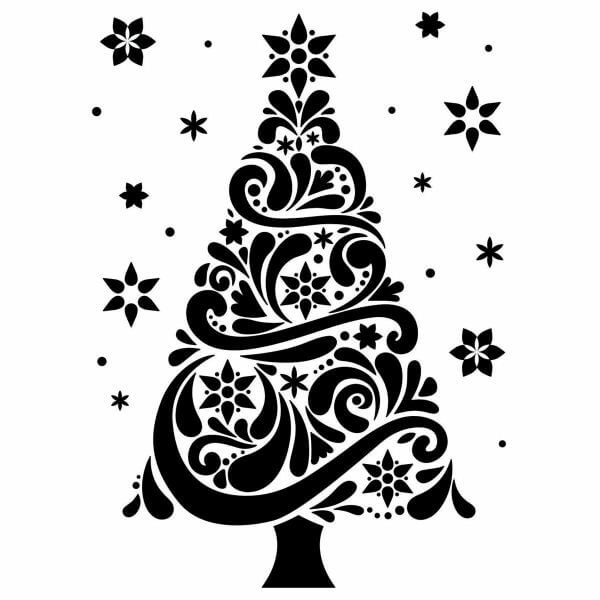
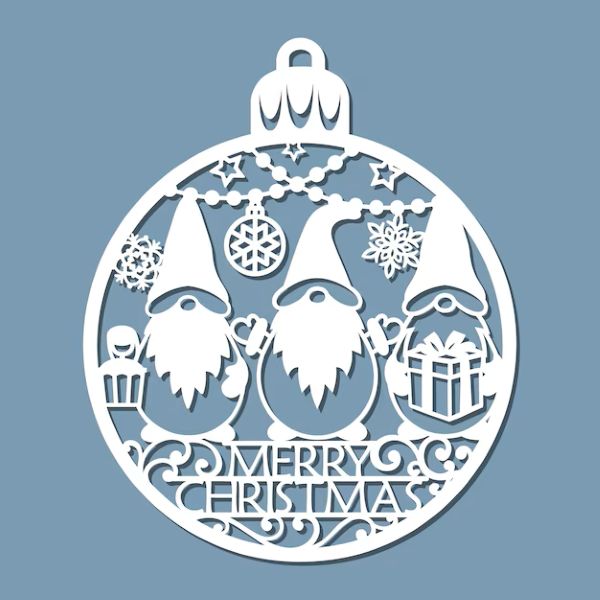
- Avoid isolated islands that would fall out when cut; connect them with bridges.
- Consider positive vs negative stencils: positive stencils cut away the image area, negative stencils leave the image as the remaining material. Each suits different techniques (spray, paint, ink).
- Keep minimum bridge widths appropriate for the material and intended use — thin bridges may tear under heavy use.
- Increase the gap between very fine lines to prevent clogging and ink bleed.
- Add registration marks if you need to align multiple stencils or register multi-colour layers.
Production and preparation
When preparing files for laser cutting, convert all text to outlines and ensure paths are clean (no stray nodes or overlapping vectors). Indicate cut lines and engraved areas with separate colours or line weights as requested by your supplier. If the stencil will be used for paint spraying, test a proof on the actual material to check for overspray and edge crispness.

Advantages of laser stencils
- Precision: Extremely fine detail and repeatability from the same digital file.
- Speed: Fast production once the file is ready, ideal for small runs and custom orders.
- Low waste: Minimal kerf and high material utilisation compared with mechanical cutting.
- Versatility: Rapid swapping between materials and designs without tooling changes.
Care and maintenance
Reusable stencils should be cleaned after each use: mild solvent or warm soapy water usually works depending on the ink or paint. Store flat or rolled according to material recommendations and avoid prolonged exposure to heat or direct sunlight.
Applications
Laser-cut stencils are used in street art, vehicle and product finishing, branding, signage, textile printing, cake decorating, airbrushing, and many craft and industrial processes. Their combination of precision and repeatability makes them invaluable wherever consistent marks are required.
Final thoughts
Stencil laser engraving and cutting is a powerful, accessible technique for makers and professionals alike. Start with clean vector files, choose the right material for your intended use and allow for structural bridges in your design. With a bit of planning you’ll unlock crisp, repeatable stencils that save time and elevate the quality of your work.
Have questions? Contact our team.
Contact us with your questions and stay up to date with our latest news and promotions on Facebook, LinkedIn, Twitter, Google and Instagram.


